Your Guide To Seasonal Produce And Its Benefits
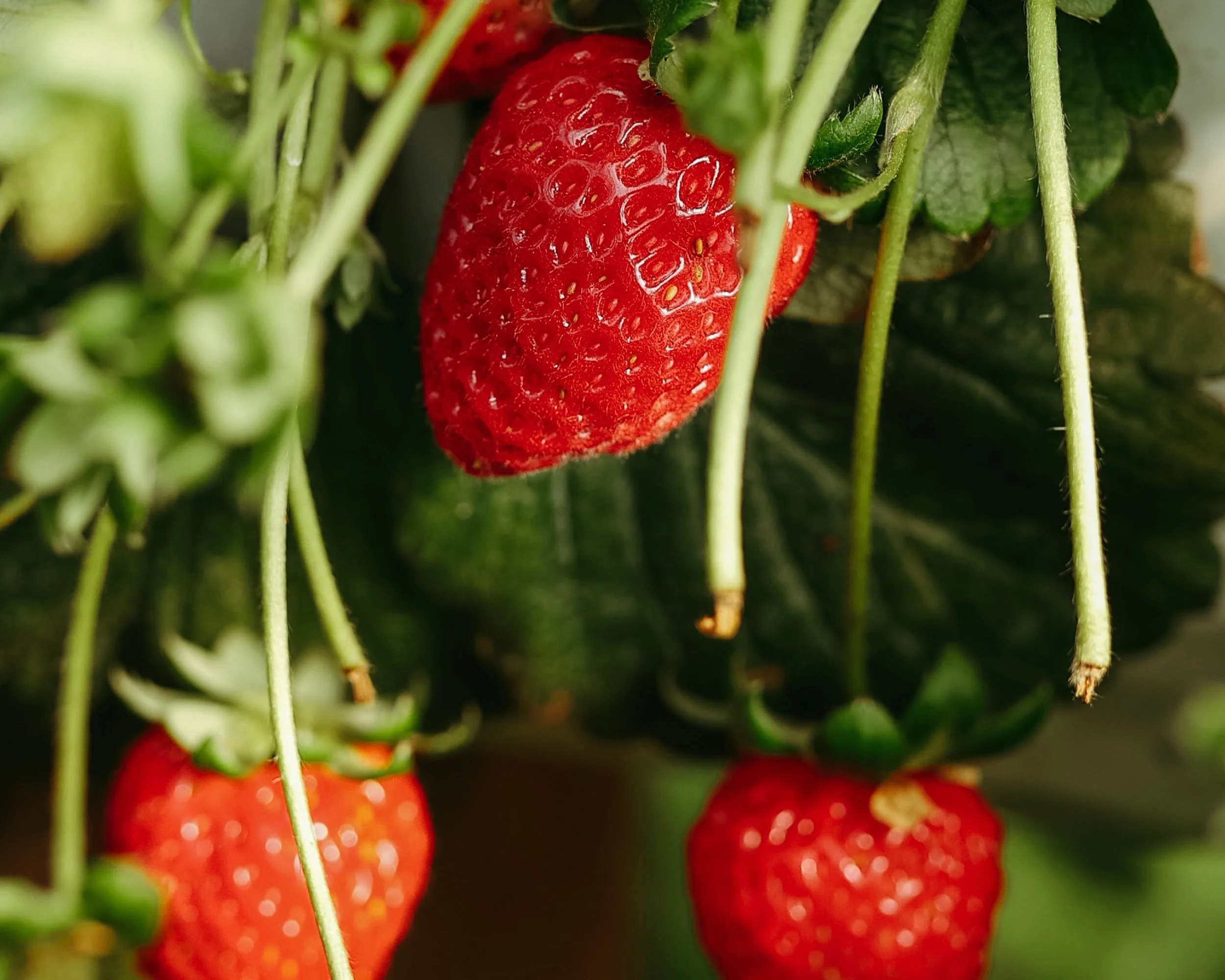
Eating seasonally isn’t something we typically think about. I mean, if we could, we would eat strawberries all year long. If we’re being honest, many of us do but it doesn’t mean that it’s the best decision. While seasonal eating may seem like a new trend with the rise of health consciousness, it’s been traditionally done for hundreds of years. In the ancient Indian practice of Ayurveda, there is a special term for eating seasonally: Ritucharya. One of the defining characteristics of Ayurveda, or the ancient Indian science of life, is the relationship that it has with the wisdom of nature.
Ayurveda teaches us that our bodies don’t exist in exception to the natural world. They are, instead, a part of it, integrated with it, and dependent on it for our health and wellbeing. In the modern age, however, we live in such a separate state from nature that we’ve forgotten the natural and instinctual ways in which to nourish ourselves. Industrialization made what was once seasonal food available year-round. Coupled with the fact that we spend more and more of our lives inside, it’s easy to forget what it feels like to truly live in harmony with the rhythms of the seasons.
Many believe that if we aren’t growing our own gardens, our access to fresh produce is limited, but this isn’t always the case. There are local farmers you can shop with; fresh produce is even available at your local farmers’ market. To better assist you on your fresh, seasonal produce journey, we’ve put together a list of reasons why eating seasonally benefits you.
Seasonal fruits and vegetables grown locally are often fresher, as they do not require long distances for transport. Produce that is not in season is harvested early in order to be shipped and distributed to your local grocer. Based on research from studies, fruits and vegetables contain more nutrients when allowed to ripen naturally. When picked at their peak of ripeness, fruits and vegetables are better tasting and more flavorful. Below are a few reasons seasonal produce is important.
REDUCED PESTICIDE CONSUMPTION
Probably one of the most important reasons to eat seasonal produce is it reduces the consumption of pesticides. Let’s face it, a lot of us are fully unaware that in order to keep traveling fruits and vegetables fresh for days at a time, they’re sprayed with pesticides and preservatives. Unfortunately, pesticides and preservatives have become a huge part of the modern food industry so, it can be difficult to escape the toxins altogether. The only way to ensure you’re minimizing your consumption of toxic chemicals is to avoid out-of-season produce as much as you can, as often as you can.
ENVIRONMENTAL BENEFITS
Eating seasonally is another step forward to lessening your carbon footprint and creating more sustainable consumption patterns. Over the years, we’ve carried on with our everyday lives and have had very little thought as to how our daily habits affect the environment. More than half the fruit and almost one-third of the vegetables bought in the U.S. are imported. Produce that is not locally grown requires the fruits and vegetables to be transported for hours and sometimes days. The long-distance travel for produce is impactful on not only the nutritional value of our food and the costs but also the environmental impact, including fuel emissions. When we choose to buy locally, we’re not only creating healthy dietary patterns for ourselves but we’re also helping to keep our environment healthy as well.
YOU BENEFIT HEALTHWISE
As mentioned earlier in the article, Foods that are grown and consumed during their proper seasons contain more nutritional value. Seasonal produce is harvested at its peak, so it keeps its full nutrient and vitamin content. When foods are grown out of season, it’s impossible for them to follow their natural growing and ripening rhythms. The process of making fruits and vegetables available year-round requires the usage of post-harvest treatments. These treatments include fruits and vegetables being coated in an edible film for long-standing protection. There is also the process of produce being treated with chemicals, gases, and heat. So, while it’s great to have non-seasonal produce when it isn’t in season, we also must accept the harmful risks that come with choosing to consume out-of-season fruits and vegetables. It is also good to note. Researchers have found that artificially ripened produce holds less nutritional value than freshly harvested, seasonal produce.
THE IMPORTANCE OF SUPPORTING LOCAL GROWERS
Purchasing locally grown produce helps to support local farmers. Not only does it help to elevate the businesses of local farmers, but it also allows farmland to remain locally owned throughout the community. Local growers also have more insight as to how the food is harvested and taken care of. When we buy from our local grocers, we have no real guarantee if the produce we’re buying is freshly harvested or doused with chemicals. When we buy locally, we see and hear first-hand from farmers about how they raise and harvest their crops. It’s also important to note that when you buy from local farmers, you’re giving back to the community by supporting local businesses.
PRODUCE BY THE SEASONS
Fall
Apples
Beets
Bell peppers
Broccoli
Carrots
Lettuce
Pumpkin
Winter
Brussels sprouts
Cabbage
Leeks
Oranges
Swiss chard
Turnips
Winter squash
Summer
Apricots
Avocados
Berries
Cucumber
Eggplant
Peaches
Plums
Tomatoes
Watermelon
Zucchini
Spring
Asparagus
Bean Sprouts
Garlic
Kale
Leafy Greens
Mushrooms
Peas
Radishes
Rhubarb