
Essays Stories
[ Stories We Live ]
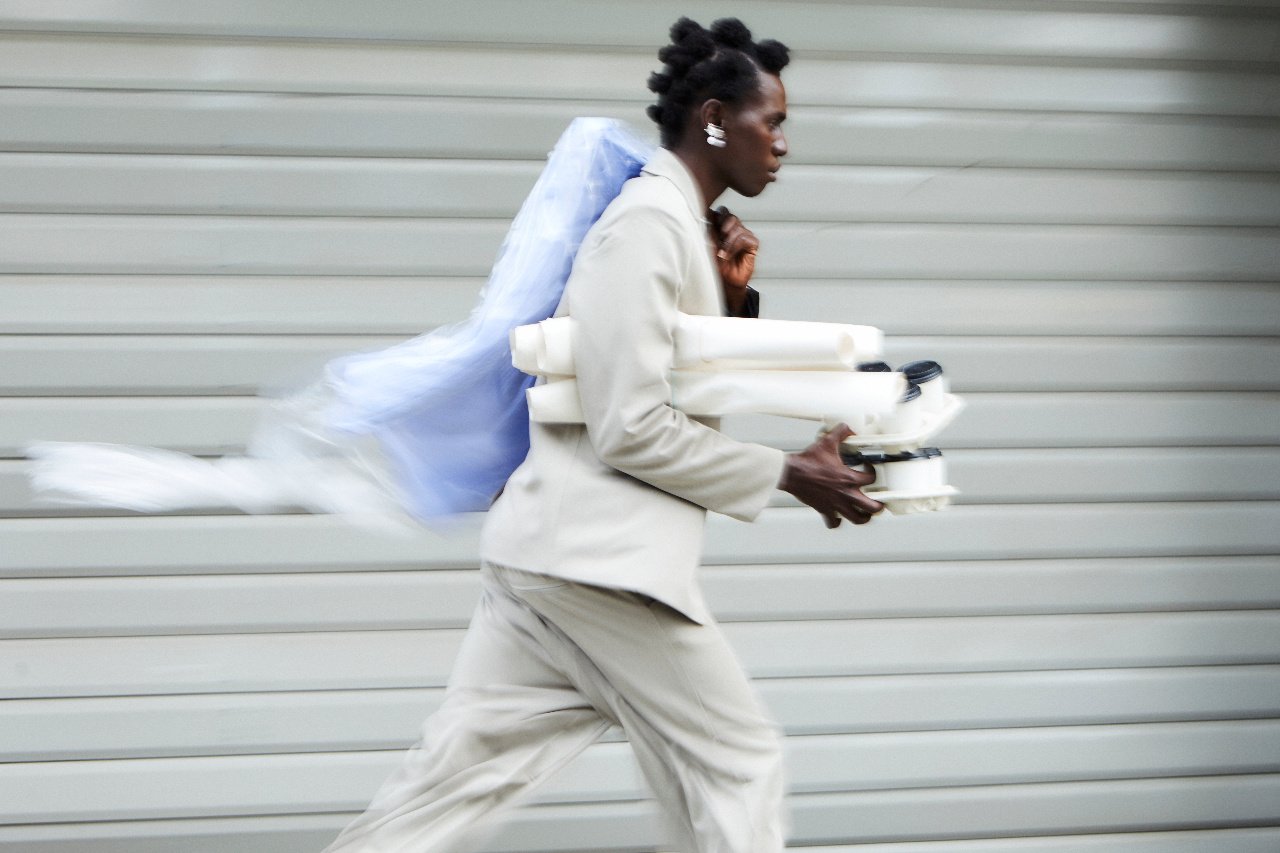
Why Effective Business Storytelling Starts With Identity, Not Content
Storytelling is no longer confined to advertising or creative campaigns. It now influences brand strategy, executive communication, customer experience, internal culture, product positioning, and the way businesses explain complex ideas. In an increasingly fragmented marketplace, the story helps the organization remain recognizable as it moves between audiences, platforms, and expressions.
The shift is especially important as businesses contend with a growing volume of AI-generated content. HubSpot’s 2026 research found that 56 percent of marketers believe the internet is already flooded with AI-generated content, while 61 percent said expressing a distinct brand point of view has become more important. When almost any business can produce more content, the advantage no longer comes from volume alone. It comes from having something identifiable to say.
Your story is no longer an accessory to the business. It is part of the infrastructure that helps people make sense of it.
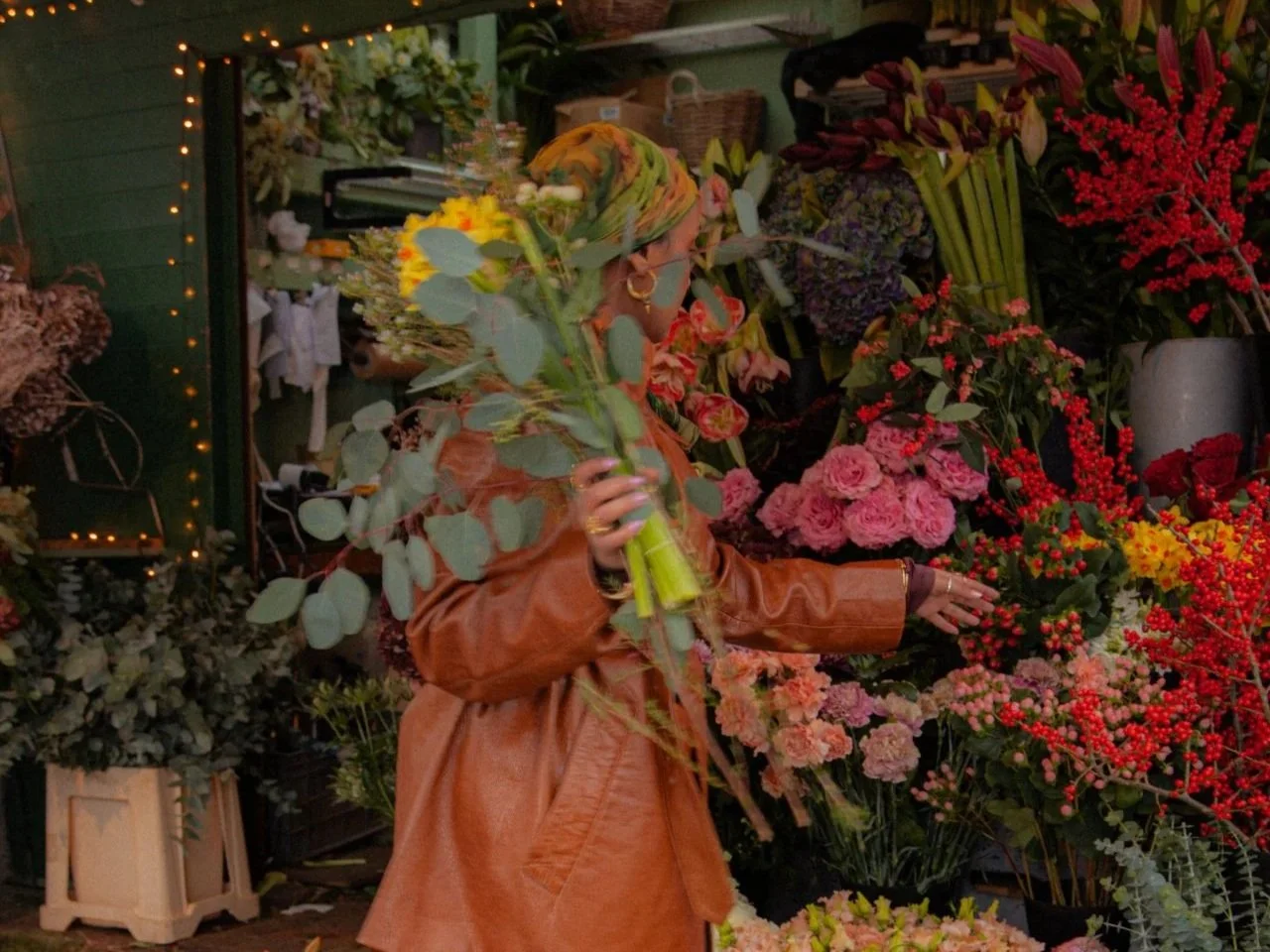
Outgrowing the Work Is Not the Same as Losing Your Creative Ability
For a while, I thought I had lost my ability to create. At least that's what it felt like. I kept revisiting the language around my work, reconsidering my services, refining the way I presented what I did, and trying to understand why something I had spent years doing no longer seemed to move when I pushed it forward. I could see the list of things that needed to be done mounting. I knew how to do the work, and I knew I could do it well. I simply couldn't find the energy I needed to put the work into action.
I knew that as I evolved, so did my work, but something in me struggled to admit it. When you have built a career around your ideas, a lack of momentum can feel like a lack of discipline. You assume that you need a new strategy, a better routine, or a clearer plan. You keep adjusting the structure because structure is something you know how to fix. What is harder to accept is that the structure may no longer be the problem. Sometimes the work itself has reached its natural limit in your life.

How Storytelling Shapes Every Meaningful Experience
The same principles that helped a brand feel clear and compelling were at work in places untouched by marketing. I observed them in neighborhood coffee shops, where choices like music and service set a tone people would return for again and again. I saw them in homes that welcomed guests and made them feel instantly at ease, in restaurants that could turn a simple meal into a memorable event, and in books that stayed with me well after I closed their covers. I discovered these principles in friendships, family traditions, and the subtle rituals that shape the rhythms of daily life.

6 Things I Learned From Binge-Watching The Five-Star Weekend
I spent half of my Saturday evening and most of my Sunday morning binge-watching all eight episodes of The Five-Star Weekend. I went in expecting an easy weekend watch; instead, I found myself in a puddle of tears or rolling over with laughter every single episode. There is something about a story that brings out your contemplative side, and this is one of them. I was hyperfixated on the characters and their stories, which led me to reflect more on the people who have shaped my own life.
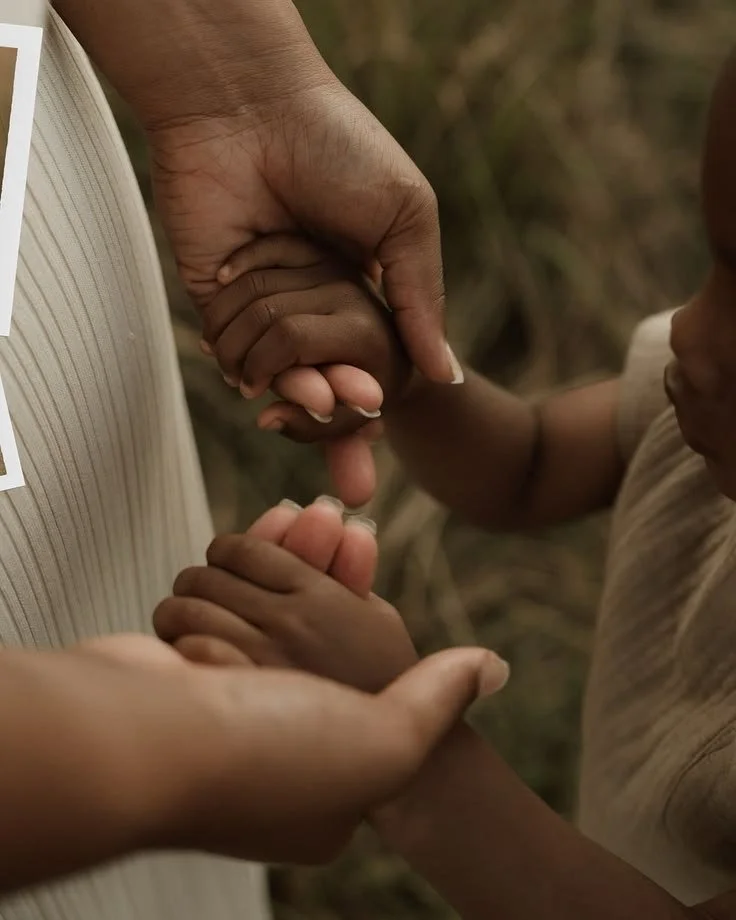
The Art of Emergence: Creativity in the Wake of Motherhood
Nobody warned me that motherhood would fundamentally transform my creative process. The change was not limited to time or energy, as I had expected. Instead, the very quality of my creativity shifted. The urgency of making things changed, and so did my capacity for patience. I am still unraveling which aspects of this transformation deserve my gratitude.
I was unprepared for how abruptly my tolerance faded. My impatience was not with the work itself, but with work that lacked meaning. Before motherhood, I could maintain a creative practice that included projects I did not fully believe in: exploratory pieces, obligatory tasks, work created out of expectation, or from a lack of confidence to say no.
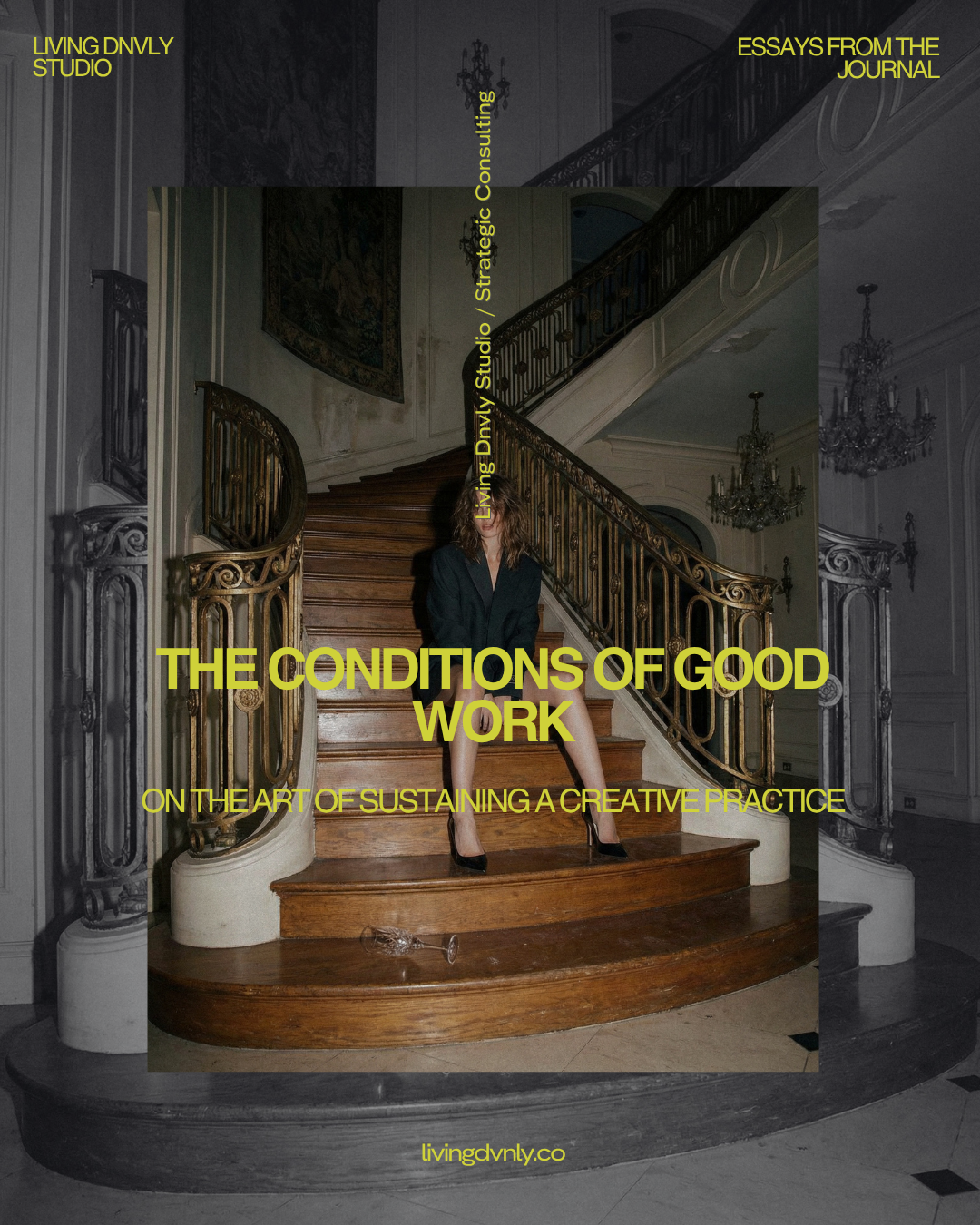
The Conditions of Good Work: On the Art of Sustaining a Creative Practice
A creative practice is a sustained relationship with a way of thinking that makes original work possible. It requires conditions, protection, and a willingness to consistently prioritize interior work over output.
Why A Creative Practice Matters
Without a creative practice, strategy becomes reactive and creative direction collapses into aesthetic preference. The work still gets done, but from a shallower place. What a practice actually provides is the ongoing cultivation of discernment; the ability to recognize what's authentic to your work, what's sustainable, and what merely performs.

What Happens When Every Creative Act Becomes Content
I know and understand that creative outlets and content creation serve fundamentally different purposes. Content creation is outward-facing. It's built for an audience, designed for engagement, optimized for response. There's nothing wrong with that; it's necessary work, and it can be deeply fulfilling. But a creative outlet is something else entirely. It exists for the person making it. It doesn't require perfection or performance. It doesn't need to teach, inspire, or resonate with anyone beyond the person holding the pen, the brush, the instrument. It's where you go to think without agenda, to process without production, to reconnect with the part of yourself that doesn't need external validation to know it's alive.

When Wholeness Is Treated as a Liability
It didn’t take long for me to notice how often good motherhood was conflated with self-abandonment. How devotion was measured by willingness to surrender. How visible, unapologetic success was treated as suspicious once a woman became a mother, as though drive and creativity were indulgences rather than capacities. As though wholeness itself was something to be negotiated down.
I wasn't willing to make that trade. Not because I misunderstood sacrifice, but because I understood the difference between sacrificing for your child and sacrificing yourself to an idea of motherhood that requires erasure. One builds a legacy. The other builds resentment under the guise of virtue.
When Creativity Is Asked to Outrun the Body
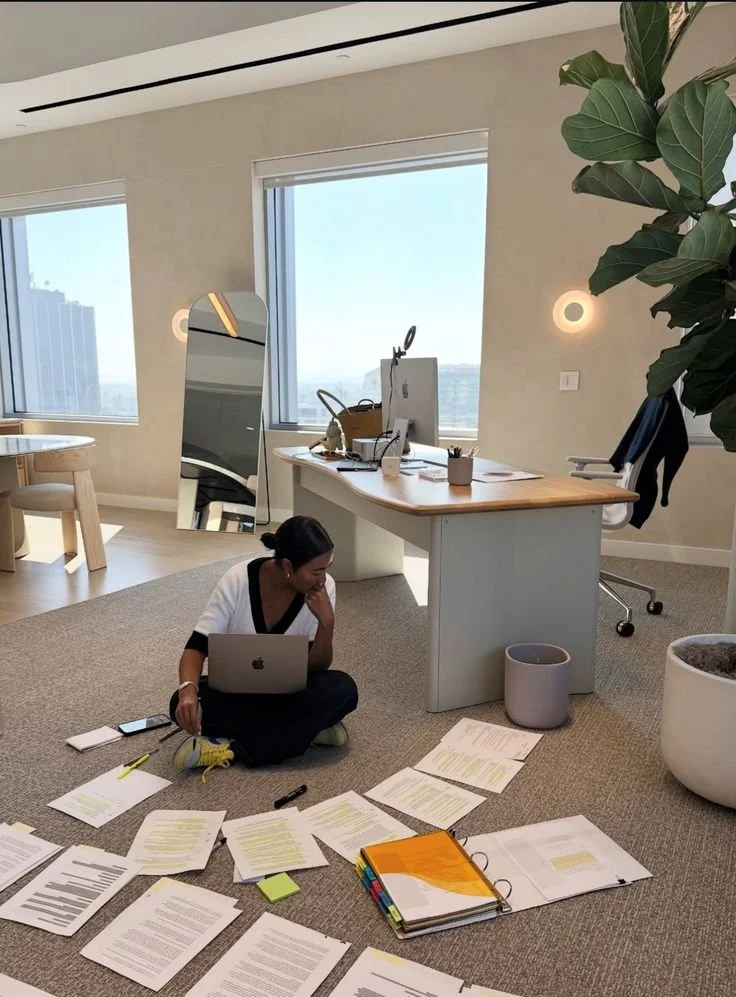
As time has passed, my career has consistently orbited one truth: creativity, productivity, and growth do not exist in isolation from well-being. We like to pretend they do. We build systems that reward output while ignoring capacity. We praise resilience while overlooking exhaustion. We celebrate ambition while normalizing burnout.
I’ve worked alongside deeply talented, driven, and capable people, brands, teams, and creatives who looked successful on paper but were disconnected from their own clarity, rhythm, or sense of intention. That disconnect doesn’t just affect mental health; it affects decision-making, culture, leadership, and longevity. Watching that pattern repeat is what reshaped how I approach strategy. Not as a purely commercial exercise, but as a human one.
When a strategy ignores the nervous system, it eventually collapses under its own weight.

Why Building Your Own Creative House Matters in 2026
Where does your work actually live and who controls the context in which it’s experienced?
I have been online blogging and building a platform since 2010. One thing I know for sure is, there is a certain point when visibility stops being the goal, and authorship becomes the work.
When Substack began to feel like the place writers and creatives were gathering, I found myself briefly considering whether my work should live there, too. I thought about sunsetting my monthly newsletter, closing the chapter on hosting my online journal on my own site, and allowing my writing to exist entirely within someone else’s ecosystem. It was a tempting idea, especially as the platform grew louder and more visible. But the more I sat with it, the more quickly that impulse passed. Knowing what I know about ownership, context, and the long life of creative work, I abandoned the idea almost immediately.

Leaning Into Your Personal Brand Without Aesthetics-First Thinking
There’s usually a specific moment that leads someone to consider personal branding, and it rarely begins with excitement. More often, it starts with discomfort; a sense that the way they’re showing up no longer reflects who they are, or that something essential has been lost in translation. In my work, I’ve found that when someone asks for help with their brand, they’re often asking for permission: either to tell the truth about who they are, or to finally become one with who they’re evolving into.
When Clarity Moves Slower Than Urgency
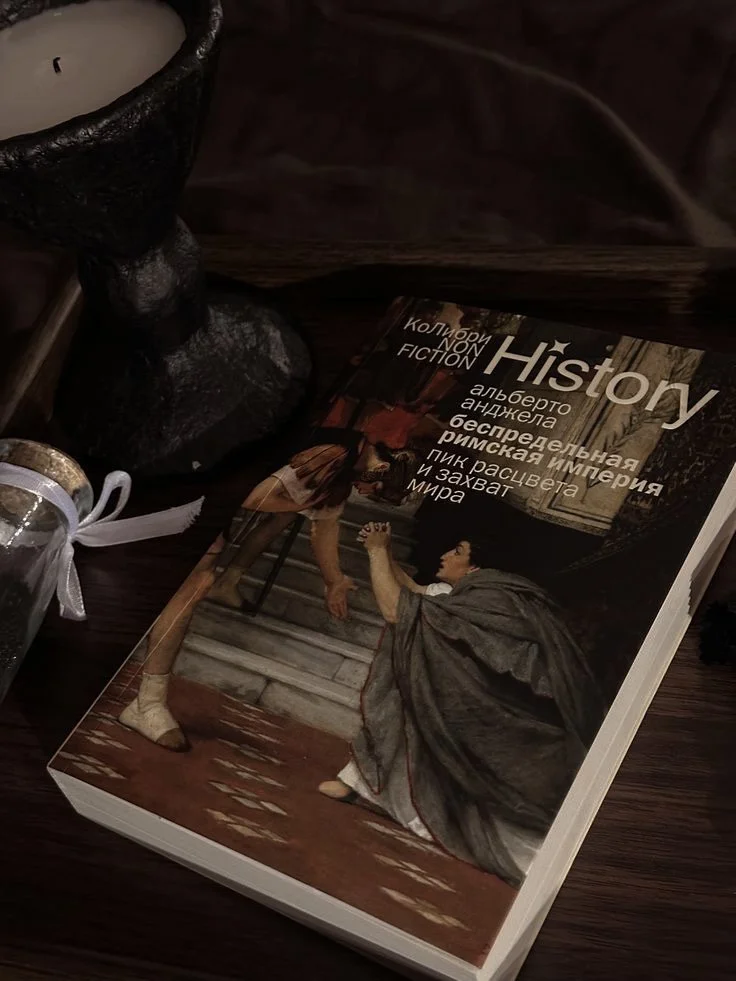
One thing 2025 has taught me is that the ideas worth keeping rarely arrive in a rush. They don’t demand immediate action. They don’t threaten to disappear if I don’t move fast enough. They wait. I’ve always tried to force-feed things. I’ve attempted to force my healing, force productivity during life periods meant for inactivity, and it’s done nothing for me, but created more chaos.

Is There a Spiritual Connection to Your Creativity?
There are mornings when I wake up, and I can’t explain my mood. I don’t feel bad, I don’t feel good, I just feel indifferent. My thoughts feel heavier, or brighter, or slightly out of place, depending on the mood. And somewhere in the middle of brushing my teeth or making breakfast, I realize that my desire to create that day feels different, too. I know when I am in a great mood because I am typically full of ideas, and I know exactly how I want my day to flow from a creative standpoint. But when my mood is indifferent, the ideas don’t flow the same way. The inspiration isn’t as loud. My mind isn’t as open. I used to brush these days off as “off days,” but the more I pay attention, the more I understand that creativity rarely moves without reason. Something inside me is speaking. The question is whether I’m listening.

The Art of Revealing Just Enough: How to Tell Your Story Without Oversharing
When people overshare online, it’s usually rooted in something deeper. Sometimes it’s an attempt to build trust. Sometimes it’s a desire to show we’re human. Other times, it’s an unspoken feeling that if we don’t reveal enough, our content won’t land or perform the way we want.
But most oversharing isn’t about transparency at all. It’s about fear; fear of irrelevance, fear of being misunderstood, fear of becoming invisible. Fear of not going viral. The reality is, storytelling isn’t about spilling everything on the timeline. It’s about curation. It’s about choosing the moments that inspire others and move your message forward rather than unloading the details of your life in real time.

Releasing the Guilt of Charging What You’re Worth
I can still remember sitting at my desk one night after another twelve-hour day, eyes burning from staring at my laptop for so long. I was revising a client’s brand strategy deck. The number of edits the deck had undergone exceeded our initial agreement, but I didn’t have the courage to decline. When the project finally ended, they thanked me warmly but never paid the final balance. I reached out multiple times, but when I got no response, I just let it go and didn't even chase the money. I thought about blasting them online, but what good would that do? I honestly just wanted to move on.

What Healing Really Looks Like: Learning to Live With a PTSD Diagnosis
When I received my PTSD diagnosis in early April of this year, I didn’t expect it to unravel me the way it did. Since the Fall of 2024, I had been moving through months of uncertainty and stress that slowly compounded until I no longer recognized myself. I was constantly on alert, running on little sleep, my body storing memories my mind didn’t know how to process. I kept telling myself things would settle, that I just needed a break. But the breaks never came. I had been navigating a season of exhaustion, emotional, physical, and spiritual. I thought maybe it was just a case of burnout. But my body was holding on to months of trauma, harassment, and constant vigilance; it slowly began to shut down in ways I couldn’t explain. I wasn’t just tired; I was terrified. My nervous system was shot, stuck in a state of survival mode.

Is There a Correlation Between Design and Productivity?
There’s something I’ve noticed over the years that I used to think was trivial: the way I feel when I walk into a well-designed space. Not a space that has a beautiful aesthetic, but a space that is intentional. My years working in both commercial and residential design exposed me to just how much our environment shapes us. That exposure opened me to a world of difference; how lighting, layout, material, and emotion all intersect.

What Was Left Behind: On Katrina, Genocide, and Grief That Still Lives in the Walls
Rather than frame Katrina as a singular moment, Race Against Time maps a timeline of systemic collapse, one where rescue delays, government apathy, and racial bias collided to turn a natural disaster into a human rights crisis. The series refuses to sanitize or simplify what happened. Instead, it centers the voices of residents who lived through it. These are stories we should never stop telling because they’re not just stories about what was lost; they’re a chronicle of what was taken, who paid the cost, and why it still matters now more than ever.

No More Saving Life for Later
It started with a candle I had been saving for weeks. Not a particularly rare one, but special enough to sit untouched underneath the console table since my birthday this past March. My friend gifted me a personalized Le Labo candle for my birthday. Its scent reminded me of the kind of feeling I yearn for, quite literally, all the time. It smelt like a partly cloudy summer afternoon, it was a calming fragrance that I couldn’t get enough of. I told myself I’d light it on a special day. Maybe after I finally caught up on sleep, after the housekeeper cleaned, after I felt more like myself. For weeks, it waited, and I found many excuses. For weeks, I waited too.

Slowness Is Not Laziness
The first time I cried while folding laundry, it wasn’t because I was sad. It was because I finally felt safe.
The housekeeper had just departed a couple of hours before. The house was quiet. The dryer hummed softly, and my son was somewhere down the hall humming along with a show he’s watched a dozen times. But inside of me, there was quiet. No rush to get to the next thing. No guilt that I wasn’t using this time “better” or to be more productive. Just me, my hands, warm cotton, and breath. I remember thinking, so this is what peace in the body feels like. And then the tears came.