
Is There a Correlation Between Design and Productivity?
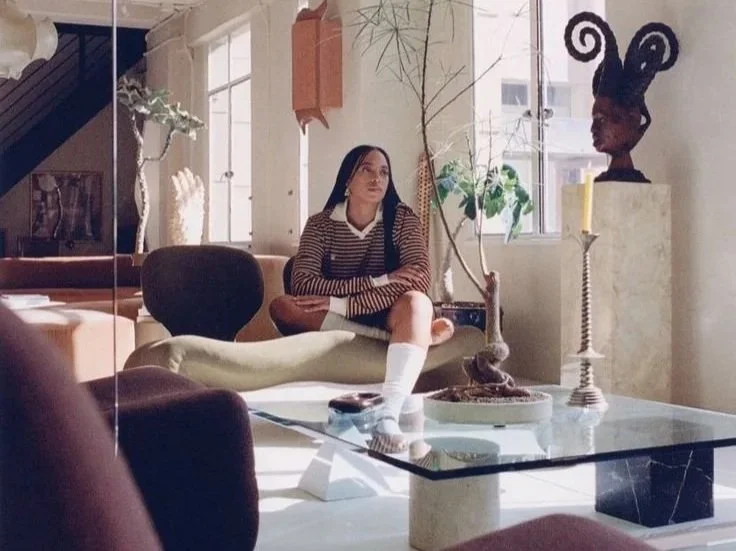
There’s something I’ve noticed over the years that I used to think was trivial: the way I feel when I walk into a well-designed space. Not a space that has a beautiful aesthetic, but a space that is intentional. My years working in both commercial and residential design exposed me to just how much our environment shapes us. That exposure opened me to a world of difference; how lighting, layout, material, and emotion all intersect. In spaces where the design was thoughtful, I noticed I breathed differently. I focused better. My mind quieted down, and I could hear myself think. I didn’t always understand that this was by design. I used to treat beauty and design as the final layer, something you added once everything else was working. But what if design is not the afterthought? What if it’s the foundation?
Maybe we’ve been taught to separate form from function, to assume that aesthetics and productivity live in different corners. That design is luxury, and productivity is discipline. But I’ve found the opposite to be true. The more I honor the spaces I work in, the more my mind feels safe to create. The clearer my physical environment becomes, the less mental friction I carry into the day. There’s a kind of order that begins externally and slowly builds internally.
I remember a time in my life when everything felt chaotic. I was juggling too much, and my space reflected it: papers were everywhere in my home office, my inbox gave me anxiety, and unread post-its were collecting dust on my desk. I kept telling myself I just needed to “focus.” But every time I sat down to work, I felt blocked. I blamed it on burnout. I blamed it on a lack of motivation. I never thought to blame the environment itself.
Then one weekend, without planning to, I deep-cleaned everything. I rearranged the furniture, lit a candle, and placed flowers on the table. I didn’t do it for productivity; I did it because I needed to feel different. And that Monday, I sat down and worked for four straight hours without distraction. No timer. No pressure. Just presence.
That was the first time I made the connection. The external chaos I had normalized was mirroring the internal overwhelm I kept trying to push through. I realized that design wasn’t just something nice to have, it was a way of caring for myself and protecting the energy I needed to do good work.
Since then, I’ve learned that design is a tool. One that holds emotional weight. It influences our nervous systems, regulates our sense of safety, and creates containers for clarity. Whether it’s the color of the walls, the way light moves through a room, or the ease of accessing what you need, design can either support your focus or drain your capacity.
This doesn’t mean your space has to look like a magazine spread. It doesn’t mean you need a minimalist aesthetic or expensive furniture. It simply means being honest about how your environment is affecting you, and giving yourself permission to adjust it accordingly. Maybe it’s rearranging your desk. Maybe it’s clearing out the clutter in your digital life. Maybe it’s lighting incense before a work session, not because it’s productive, but because it calms you. And a calm you is a more capable you.
What I’m holding close these days is the truth and intentionality behind the fact that creativity and productivity are deeply personal. We don’t need to perform efficiency. We need to feel safe enough to be present. Design, when done with intention, allows us to soften into ourselves and meet the moment with more clarity. It invites us to reimagine productivity, not as output, but as alignment.
So yes, I believe there’s a correlation between design and productivity. But not in the way hustle culture has framed it. It is not about optimizing every detail to extract more from yourself. It’s about creating an environment that honors your pace, needs, and emotional well-being. It’s about creating rhythm, not control.
And maybe the real question isn’t whether design makes you more productive, but whether it makes you more connected to your work, body, and your intention. And if the answer is yes, then that’s reason enough to begin.
—
If this resonated with you, consider taking five minutes today to observe your space. What feels good? What’s been neglected? What small shift could invite more ease into your day?