How Often Should You Clean the Common Areas In Your Home?
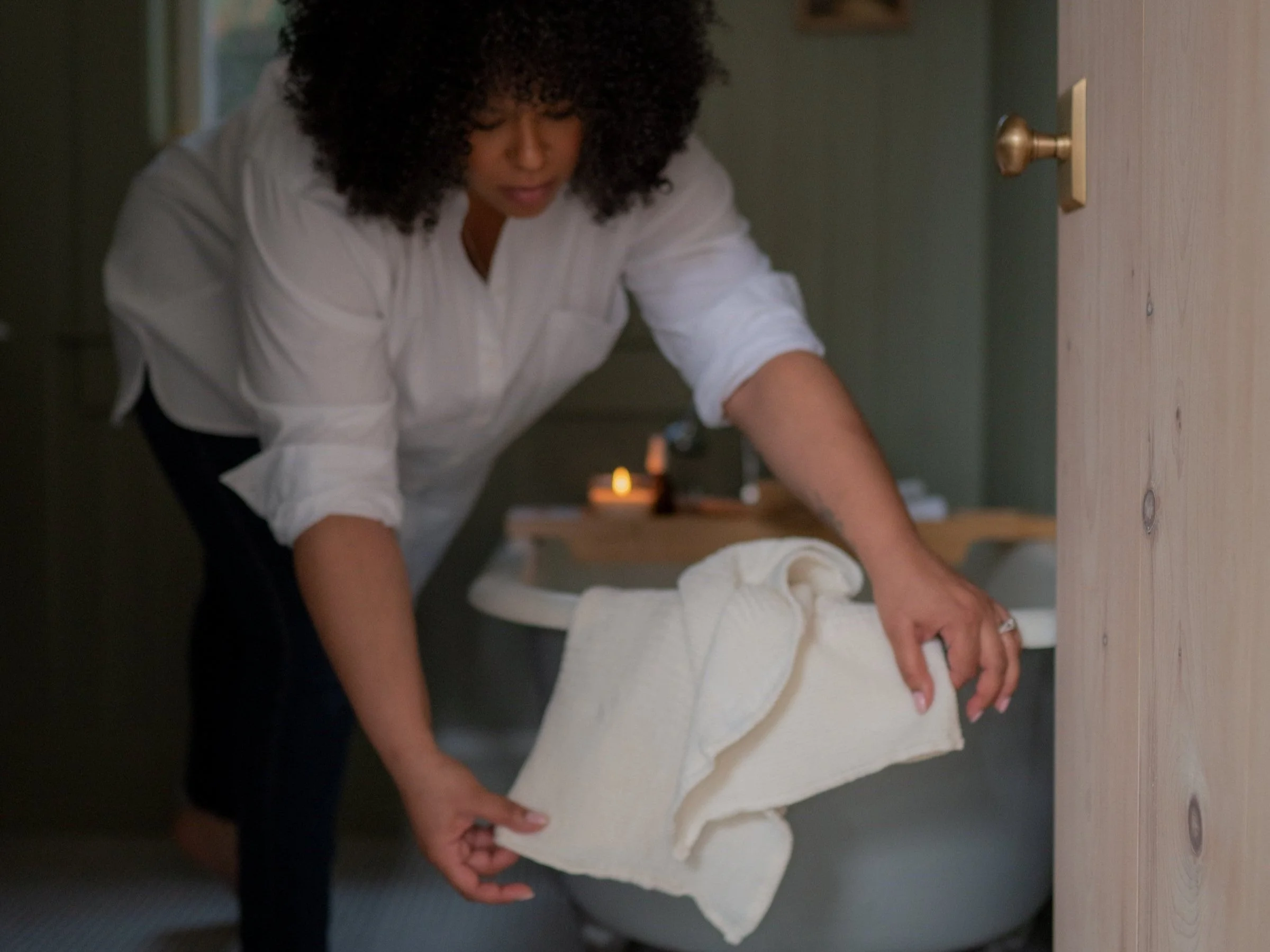
There are a lot of us who can think of a million and one things we’d rather do than clean our home. While cleaning isn’t always the highlight of our day, keeping the common areas of our homes clean has some fantastic health benefits. It turns out, infectious viruses and bacteria are more common in our homes than we think. The bacteria lurking in our homes can carry more bacteria than trash cans. Gross, right? So, how often should we be cleaning the common areas in our house? It’s an essential question with an infinite number of answers. The truth is, every common household area—from living rooms to your bathrooms—has a different cleaning schedule. We did our research and wanted to provide you with a guide on rooms to clean and how often you should clean them.
BATHROOM
Bathroom surfaces such as countertops, toilets, showers, and floors, realistically should be wiped down every day to prevent bacteria growth. A good daily cleansing of your toilet bowl lessens the chance of growing infections and bacteria. According to research, your bathtub requires more cleaning than your toilet. A study conducted by the Center for Hygiene and Health in Home and Community at Simmons College in Boston, found a severe skin infection-causing bacteria in 26% of the tubs tested, compared to just 6% of garbage cans. Along with a full cleansing of the bathtub, make sure you’re thoroughly washing your shower curtains and shower liners.
BEDDING LINENS
Your pillows are protected from pathogens by their cases. But over time, pillows will breed bacteria like most other things. The bacteria your pillowcases breed can cause skin irritation and facial breakouts. Same with your bedding linens. It’s not easy for them to collect bed dust or harmful bacteria, but when not cleaned often, bacteria will build up. Frequently washing your linens is the best way to avoid toxic build-up in your bedding. It’s always best to have extra sets of bedding to replace the set that needs washing. Other good healthy habits to adopt are not climbing into bed with clothes you’ve worn outdoors. It’s best to shower after being outside before getting in bed. Don’t walk outside or on hardwood surfaces barefoot or with socks and then get into bed afterward. And always wash your linens in hot water once or twice a week.
KITCHEN SUPPLIES, SURFACES, AND APPLIANCES
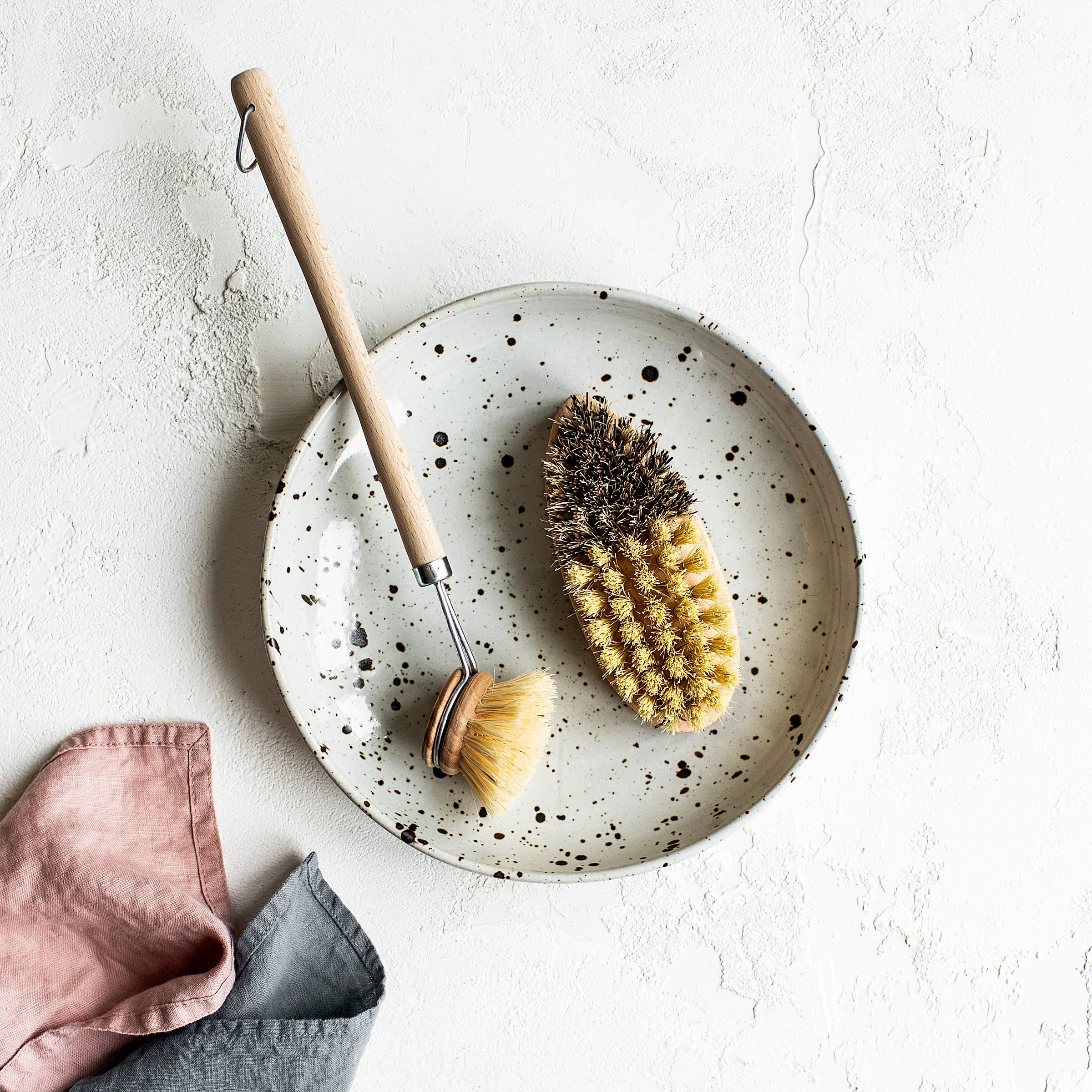
Your kitchen surfaces and countertops should be cleaned daily. When cleaning with sponges, food particles and other grit can be collected in damp sponges. When these sponges are left damp, they can breed bacteria. The best way to avoid bacteria infestation is to buy reusable sponges that can be washed or replace your sponge after 2-3 uses. How often have we heard that conventional microwave ovens are the best way to rid our food of harmful bacteria? Because research has proven that microwaves do not kill bacteria, food that goes uncovered when microwaved can result in bacteria being left behind. It’s best to cleanse them at least once a week.
Your refrigerator needs cleaning love too. Scientists confirmed that salad drawers contain 750 times the safe level of bacteria, making them one of the main places to clean regularly. A thorough cleaning at least once a week is necessary. Be sure to deep clean and get rid of any old, lingering foods. Molding, decomposing food carry food spoilage organisms. These can be yeasts, molds, fungi, or bacteria that will eventually grow on any food. Bacteria is responsible for the spoilage of food. Pathogenic Bacteria is a type of deterioration inducing bacteria that can have serious health implications if exposed to it. So, in short, clean your fridge often, or it can be harmful to you and potentially contaminate the other foods in your fridge.
IN CONCLUSION
There are so many other spaces and items in the home that require daily cleansing – things like your remote controls, door and appliance handle, your computer keyboards, cellphone cases, etc. While it may seem a bit over obsessive to clean weekly, cleaning your home often is the most effective way to protect yourself from bacteria and viruses.