
Color Theory and Personal Wellness: How Color Influences Our Well-being
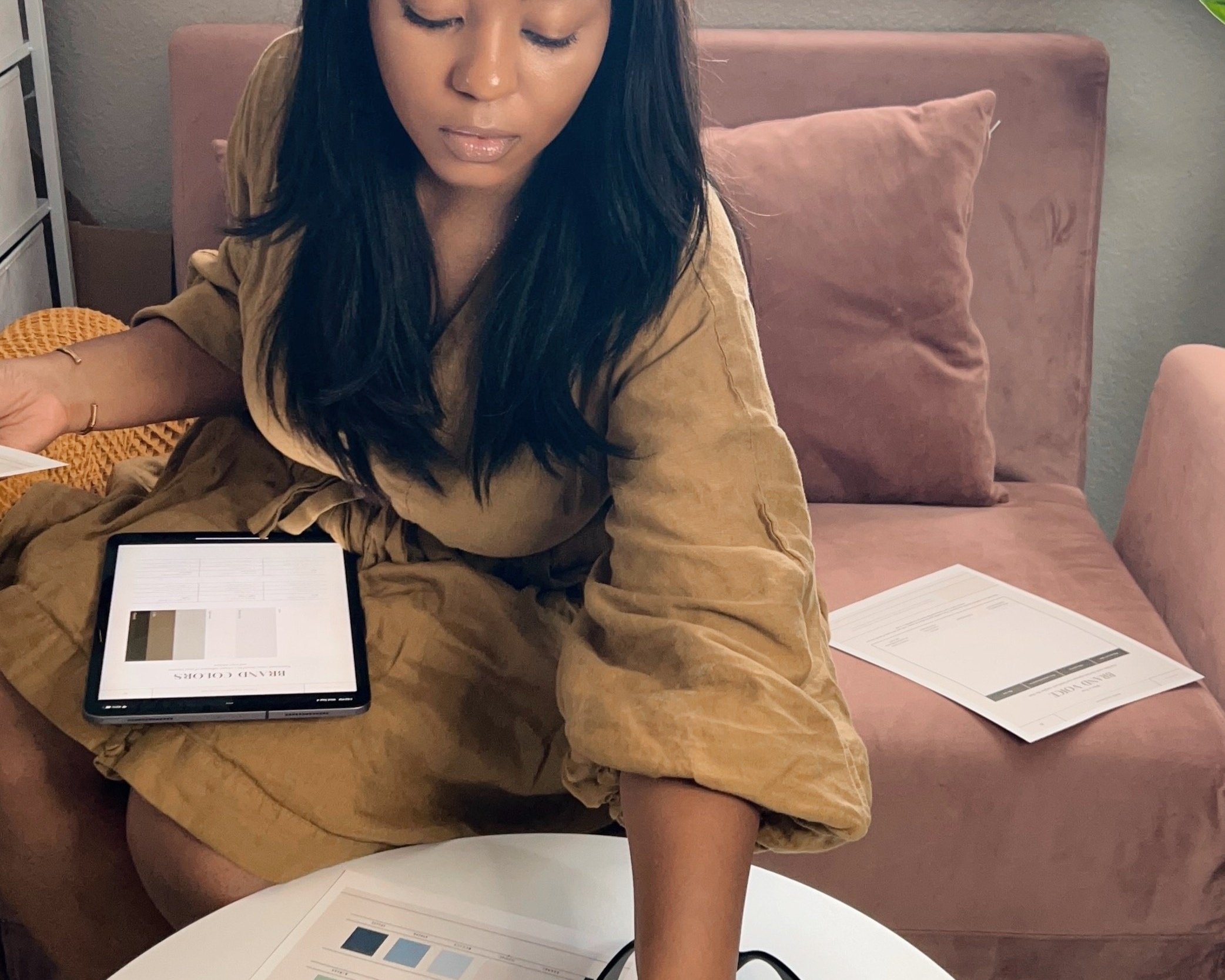
Over 13 years ago, when I first began working in commercial design, I quickly discovered the powerful impact of color theory. In those early days, I saw firsthand how color choices could completely transform a space, evoking different emotions and influencing how people interacted with their surroundings. This early study of color theory opened my eyes to the role that color plays not only in visual appeal but also in our mental and emotional states. Today, I find myself drawing from those experiences, using color intentionally, not just in design but as a tool for personal wellness. If you remember, I launched my color library a while back, which became a lot for me to manage, but I have been considering bringing it back for inspirational purposes.
When we think about wellness, we often focus on routines, diet, or mindfulness practices. But color—something that we are constantly surrounded by—also plays a vital role in shaping our well-being. Color theory, which studies how colors impact us psychologically and emotionally, is a powerful lens through which we can deepen our connection to personal wellness. Let’s explore how we can use color to create environments and moments that feel truly nourishing.
The Connection Between Color and Emotion
Colors have long been understood to carry unique emotional associations. Certain shades can soothe us, while others might energize or uplift. This connection is grounded in color theory, a principle that considers how color impacts our mood and emotional well-being. For example, soft blues and greens are often associated with tranquility and balance, making them perfect choices for spaces where we want to relax, like a bedroom or a reading nook.
Conversely, warm colors like orange and yellow bring a sense of optimism and warmth, energizing spaces where we want to feel inspired, like a creative workspace. Being intentional about color when choosing colors in our daily environments—whether it's in our homes, our clothing, or even the screens we interact with daily—can bring us closer to a state of wellness that feels aligned and uplifting.
Incorporating Color Into Your Wellness Routine
Creating a Personal Sanctuary: Curating a wellness corner or a room that uses colors aligned with your emotional needs can enhance your daily routines. Imagine setting up a meditative space at home in shades of lavender or pale green, known for their relaxing qualities. This space becomes a visual and emotional escape—a haven where you can unwind or practice mindfulness.
Using Color to Shift Your Energy: Just as we turn to music to shift our mood, color can be a powerful tool for managing our energy levels throughout the day. Try incorporating warm, inviting colors like soft yellows in areas where you might journal or set intentions. Or add a touch of red in your workout space to boost your physical energy and focus.
Choosing Colors in Fashion for Mood Enhancement: The colors we wear can also impact our mood and how we feel throughout the day. Cool blues or earth tones may bring a sense of calm, while brighter colors like coral or teal can lift our spirits, especially on days when we need a little extra joy.
Finding Balance with Colors That Resonate
Incorporating color for wellness doesn’t mean redecorating your entire space or wardrobe. Even small touches—a blanket, artwork, or fresh flowers—can make a big difference. The goal is to create balance and find colors that resonate with who you are and how you want to feel each day. Remember, personal wellness is an evolving journey, and the colors that support you now may shift as you grow.
As you experiment with color, let it be a reminder of your commitment to intentional living. Embrace the beauty of color as another tool in your wellness journey. After all, a well-lived life is one that surrounds us with the things that bring joy, peace, and inspiration—even the colors we choose to live among.